
I Specialize In:
Depression – Anxiety – CBT – Trauma – Grief
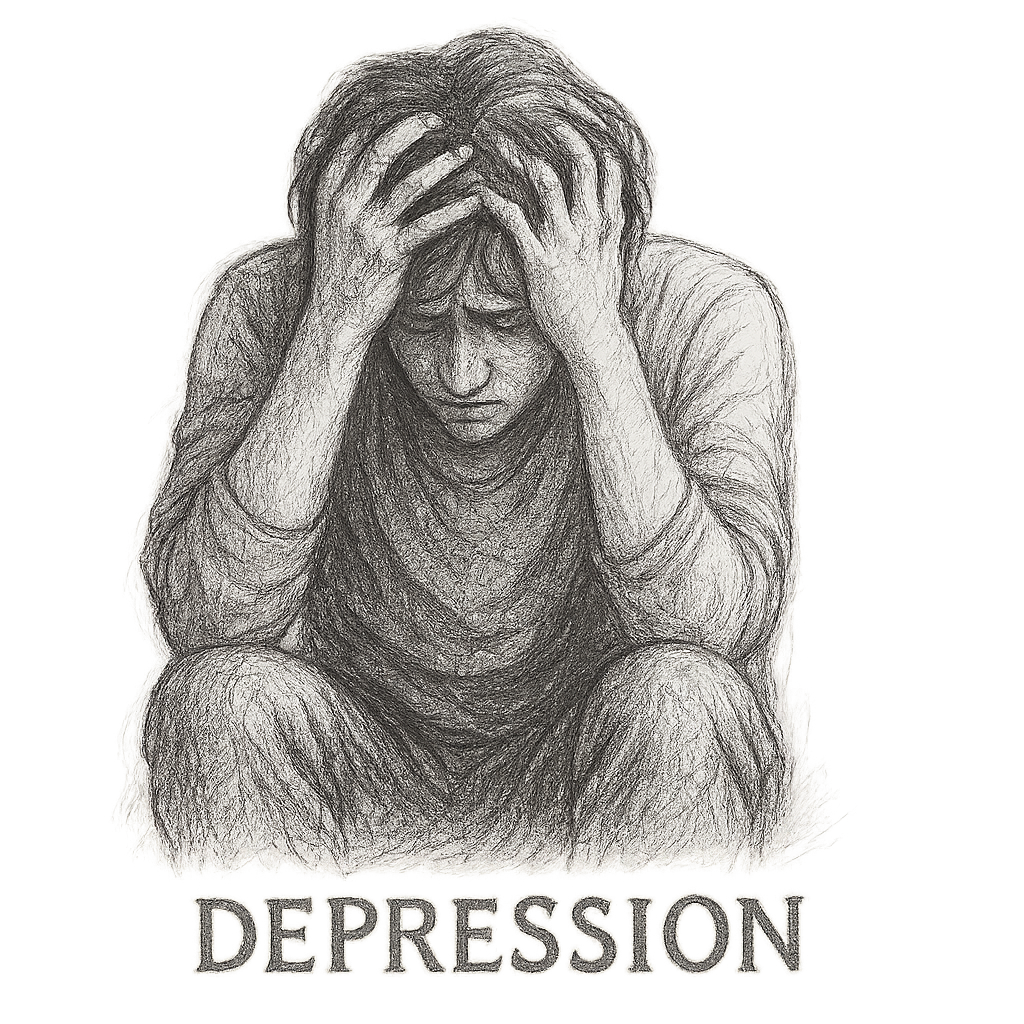
Counselling for Depression
Are you feeling hopeless, isolated and not your usual self?
Do these thoughts often enter your mind?
I am worthless and can’t do anything about it.
I feel guilty for just wanting to eat, sleep and be alone.
I hate who I am these days.
I can’t stop crying, which makes me want to stay away from others.
I feel gut-wrenching pain, but no one understands.
My life and the world around me are dark. I hate it, but I can’t change it.
If you have had any variation of these thoughts and don’t feel like your usual self, chances are you may be suffering from depression.
I want you to know that you are not alone and there are people who can help. Many of my clients find relief in realizing that their struggle does not own them and that there are many options available to once again have hope for their lives.
I understand the social stigmas that come with label of being depressed, and thus aim to help clients sort out their environmental, biological and circumstantial factors while offering support and care through a very dark time in their lives.
If you are hoping to finally lighten this load and feel like yourself again, contact me today for a free consultation.
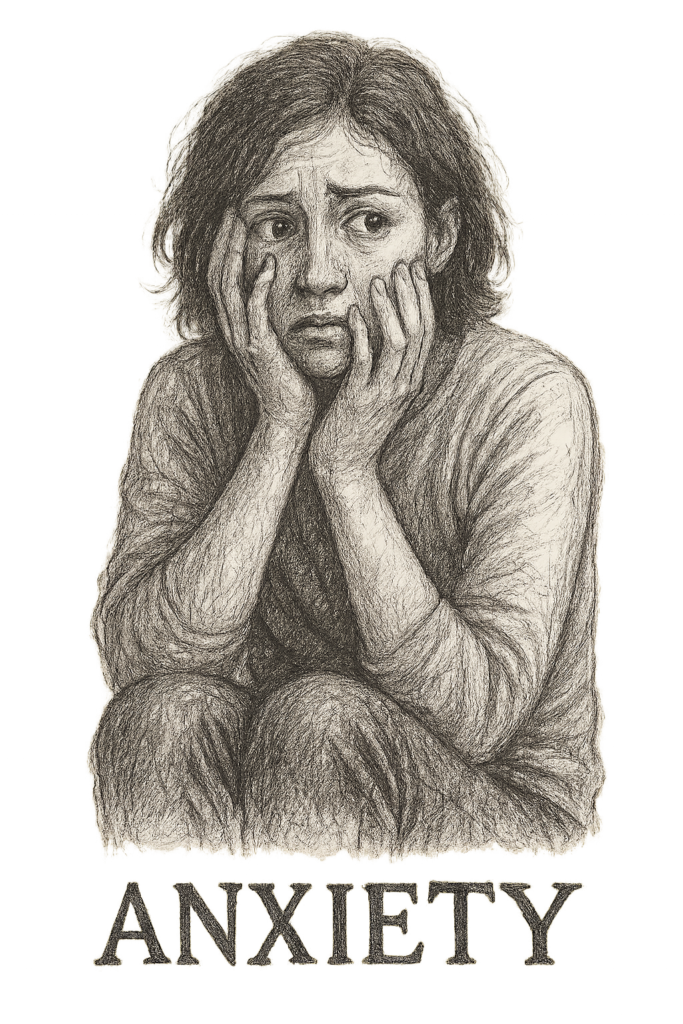
Counselling for Anxiety
Is anxiety taking over your life? Does it feel like you can’t control it no matter how hard you try? Have you already tried therapy but found it ineffective?
If this sounds like you, I’m confident I can help. My practice offers the most effective forms of treatment, to get the relief from anxiety that you deserve.
When it comes to treating anxiety disorders, research shows that therapy is usually the most effective option. That’s because anxiety therapy – as opposed to anxiety medication – treats more than just symptoms to the problem.
Often, these are the symptoms of anxiety:
Nervousness, restlessness or being tense
Feelings of danger, panic or dread
Rapid breathing or hyperventilation
Increased or heavy sweating
Trembling or muscle twitching
Weakness or lethargy
Difficulty focusing or thinking clearly about anything other than the thing you’re worried about
Insomnia
Obsessions about certain ideas, a sign of obsessive-compulsive disorder
Anxiety surrounding a particular life event or experience that has occurred in the past, a sign of post-traumatic stress disorder
Therapy can help to uncover the underlying causes of your worries and fears, learn how to relax, look at situations in a new, less frightening way, and develop better coping mechanisms and problem-solving skills.
If you suffer from an anxiety disorder, I invite you to contact me today for a free consultation.
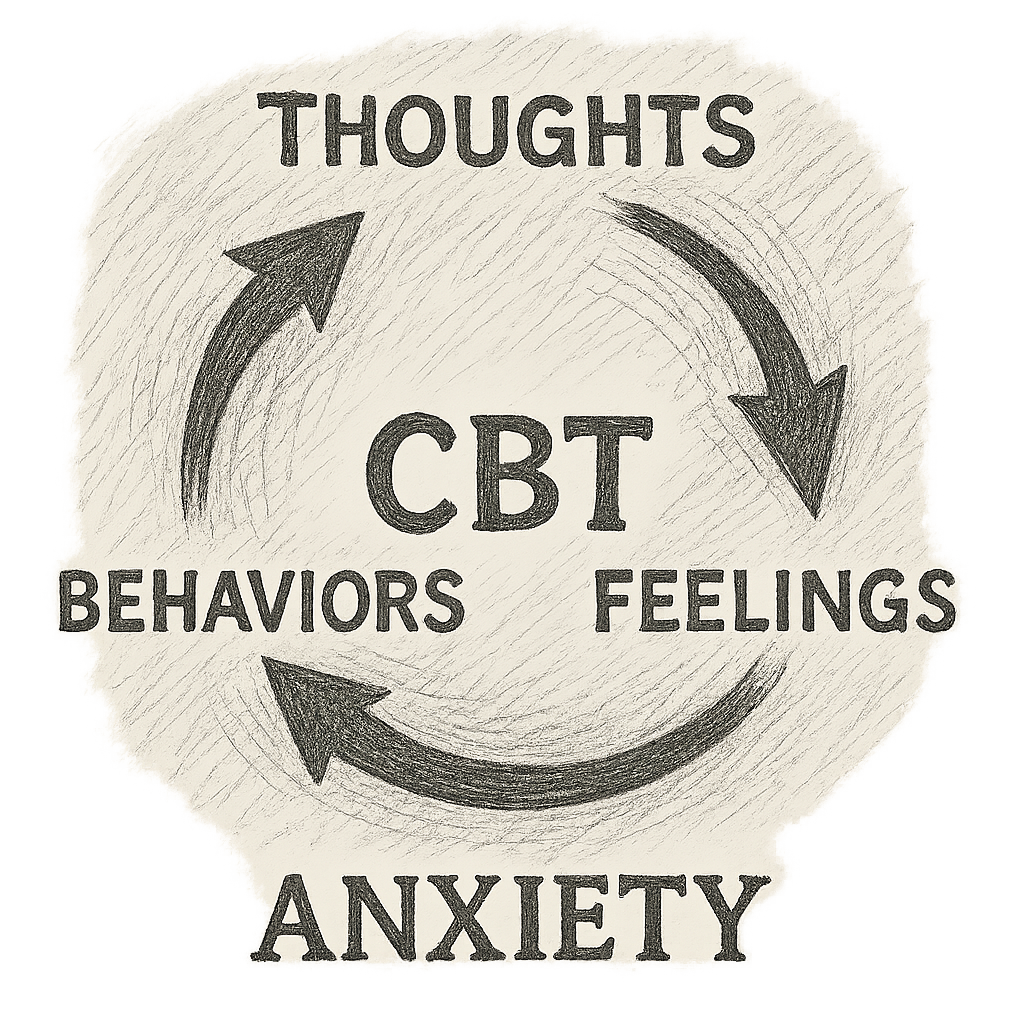
Cognitive Behavioural Therapy
Cognitive Behavioural Therapy or CBT is a short-term, problem-focused form of behavioural treatment that helps people see the difference between beliefs, thoughts, and feelings, and free them from unhelpful patterns of behavior.
CBT is grounded in the belief that it is a person’s perception of events – rather than the events themselves – that determines how he or she will feel and act in response.
CBT can help with:
Depression
Anxiety
Panic attacks
Phobias
Obsessive compulsive disorders (OCD)
Posttraumatic stress disorder (PTSD)
Substance dependency
Persistent pain
Disordered eating
Sexual issues
Anger management issues
Most people with clearly defined behavioural and emotional concerns tend to reap the benefits of CBT. If any of the above issues resonate with you, I encourage you to try cognitive behavioural therapy.
With CBT, you’ll be able to adjust the thoughts that directly influence your emotions and behavior. This adjustment process is referred to as cognitive reconstructing, which happens through different CBT techniques.
Some CBT techniques are:
Journalling
Challenging beliefs
Relaxation
Meditation
Mindfulness
Social, physical and thinking exercises
Cognitive behavioural therapy is much more than sitting and talking about whatever comes to mind during a session. CBT sessions are structured to ensure that the therapist and the person in treatment are focused on the different goals of each session, which in turn ensures that each and every session is productive.
If you or someone you know would benefit from cognitive behavioural therapy, please contact me today. I would be happy to speak with you about how I may be able to help.
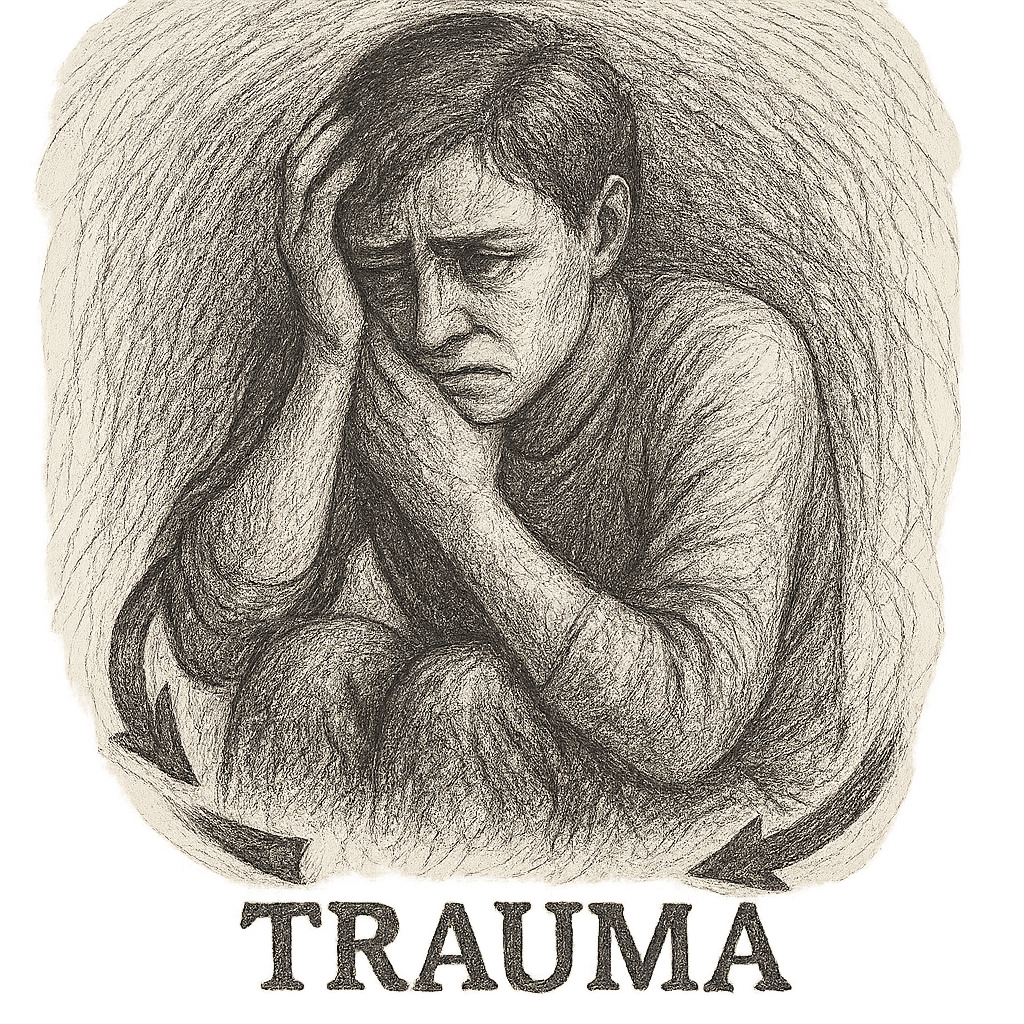
Counselling for Trauma
Most people will experience trauma in their lifetime whether it’s a car accident, abuse or neglect, the sudden death of a loved one, a violent criminal act, exposure to the violence of war, or a natural disaster.
While many people can recover from trauma over time with the love and support of family and friends and bounce back with resiliency, others may discover effects of lasting trauma, which can cause a person to live with deep emotional pain, fear, confusion, or posttraumatic stress far after the event has passed.
In these circumstances, the support, guidance, and assistance of a therapist is fundamental to healing from trauma.
Trauma Symptoms
According to the four types of symptoms listed in the DSM-5
Avoidance Symptoms
Avoiding specific locations, sights, situations, and sounds that serve as reminders of the event
Anxiety, depression, numbness, or guilt
Re-experiencing Symptoms
Intrusive thoughts, nightmares or flashbacks
Hyperarousal Symptoms
Anger, irritability, and hypervigilance
Aggressive, reckless behavior, including self-harm
Sleep disturbances
Negative Mood and Cognition Symptoms
Loss of interest in activities that were once considered enjoyable
Difficulty remembering details of the distressing event
Change in habits or behavior since the trauma
Research has proven psychotherapy to be the most effective form of treatment for trauma.
If you or someone you know matches the trauma symptoms listed above, I am confident that I can help and invite you to contact me today for a free consultation.
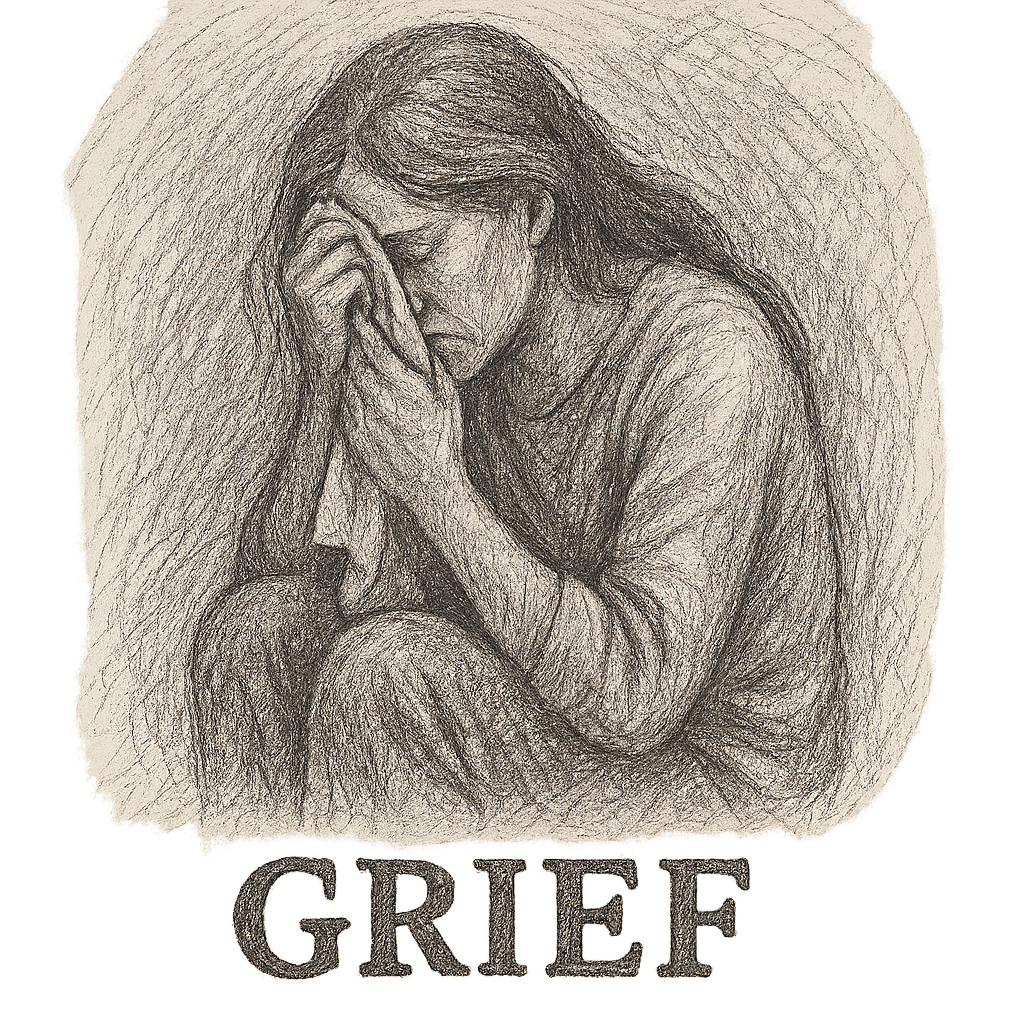
Counselling for Grief
Grief is the profound emotional and physical response to loss, most commonly associated with the death of a loved one, but also encompassing other significant losses like divorce, job loss, or even the loss of a pet. It is a deeply personal and individualized experience, with no set timeline for healing. Understanding the different aspects of grief, including its various emotional and physical manifestations, can be crucial in navigating the grieving process.
Key aspects of grief:
Emotional responses:
Grief can manifest as sadness, anger, loneliness, guilt, fear, anxiety, and even numbness.
Physical symptoms:
People experiencing grief may also encounter physical symptoms like fatigue, headaches, nausea, stomach upset, and changes in appetite or sleep patterns.
Individualized experience:
Grief is unique to each person, with no right or wrong way to feel or process loss.
No fixed timeline:
The duration of grief varies greatly, with some people finding solace in weeks or months, while others may need years to adjust.
Losses beyond death:
Grief can be triggered by various life events, including relationship breakups, job loss, financial difficulties, or the loss of a cherished possession.
Coping with grief:
Acknowledging and accepting the pain, seeking support from loved ones, and practicing self-care are important steps in coping with grief.
Anticipatory grief:
This is the grief experienced when anticipating a loss, such as in the case of a terminal illness.
Disenfranchised grief:
This refers to grief that is not openly acknowledged, mourned, or supported by society, like the loss of a pet or a miscarriage.
Important considerations:
Grief is not the same as depression:
While grief can share some symptoms with depression, it’s important to understand the difference and seek professional help if needed.
Grief brain:
Some individuals may experience cognitive challenges during grief, such as difficulty concentrating or memory lapses.
Grief triggers:
These are reminders of the loss that can evoke strong emotions, such as songs, places, or special occasions.